


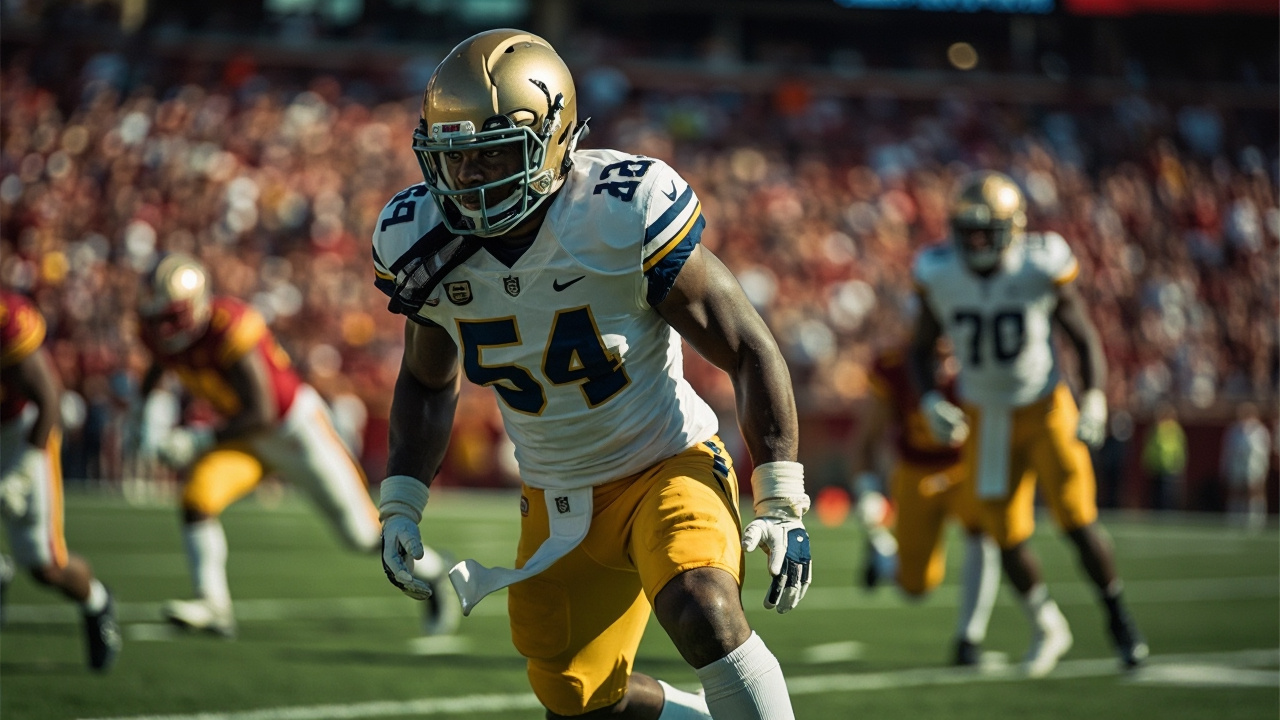
The storied Notre Dame-USC football rivalry, a cornerstone of college football for nearly a century, faces unprecedented uncertainty as college football realignment reshapes the landscape of the sport. With USC joining the Big Ten Conference and Notre Dame maintaining its cherished independence, scheduling conflicts have emerged that threaten the continuation of one of sport’s most iconic matchups. This clash between two of college football’s most prestigious programs now faces logistical hurdles that could potentially end a tradition dating back to 1926.
As athletic departments and conference commissioners navigate the complex world of college football scheduling, fans and alumni of both programs find themselves wondering: will this historic rivalry survive the seismic shifts in college athletics, or is it destined to become another casualty of conference realignment?
Causes of jeopardy (realignment impact)
Big Ten expansion and scheduling constraints
USC’s move to the Big Ten represents the most significant threat to the rivalry’s continuity. With nine mandatory conference games now on USC’s schedule, the Trojans face severe limitations in their non-conference flexibility. This scheduling crunch dramatically reduces USC’s ability to maintain its traditional rivalries, including the annual contest with Notre Dame.
The broader implications extend beyond just this rivalry, affecting the broader landscape of US College Football streaming and predictions as conference realignment continues to prioritize media markets and broadcast revenue over traditional matchups. The dissolution of the Pac-12 Conference has particularly accelerated these changes, forcing schools to make difficult choices about which traditions to preserve.
Travel logistics and geographic challenges
Beyond mere scheduling conflicts, the geographic realities of USC’s new conference affiliation create substantial logistical burdens. The Trojans now face regular cross-country travel for conference games, adding thousands of miles to their seasonal travel budget. This coast-to-coast conference schedule makes maintaining a cross-country rivalry game increasingly challenging from both financial and player welfare perspectives.
Meanwhile, Notre Dame has continued securing its football future through arrangements like the Notre Dame secures 12-year football agreement with Clemson, creating additional scheduling commitments that must be balanced alongside traditional rivalries.
Historical significance of the Notre Dame-USC rivalry
Nearly a century of tradition
Since 1926, the Notre Dame-USC rivalry has transcended mere competition, becoming a cultural institution in college athletics. Only the extraordinary circumstances of World War II and the COVID-19 pandemic have interrupted this annual tradition. The rivalry has featured legendary coaches like Knute Rockne and John McKay, Heisman Trophy winners, national championship implications, and countless memorable moments that have defined college football.
The traditional late-season timing of the game—typically in October for games in South Bend and November for contests in Los Angeles—has become an integral part of its identity, adding championship implications and dramatic stakes.
Current statements from key stakeholders
Notre Dame’s commitment to tradition
Notre Dame Athletic Director Pete Bevacqua has been unequivocal in his commitment to maintaining the rivalry, stating publicly that “Southern Cal and Notre Dame should play every year for as long as college football is played.” This stance reflects Notre Dame’s identity as an independent program that values its historical matchups and national schedule.
USC’s conference obligations
USC officials, while acknowledging the importance of the rivalry, have been more measured in their comments, reflecting the reality of their new conference obligations. The proposed solution of moving the game to early season has met resistance from Notre Dame, which views the traditional timing as essential to the rivalry’s character and significance.
Comparison with other endangered rivalries
Lessons from Texas-Texas A&M and others
Recent college football history offers cautionary tales about the fragility of even the most storied rivalries. The Texas-Texas A&M rivalry was interrupted for years following conference realignment, while historic matchups like Nebraska-Oklahoma and Missouri-Kansas suffered similar fates. These precedents suggest that even the most celebrated traditions can fall victim to the business imperatives driving modern college athletics.
Future scenarios and potential solutions
Creative scheduling options
Several potential solutions have emerged to preserve the rivalry. A biennial schedule could reduce the frequency but maintain the tradition. Special exemptions from the Big Ten for USC’s scheduling could be negotiated. Moving the game to early season, though not ideal for preserving tradition, might represent a necessary compromise.
Creative scheduling approaches have already emerged elsewhere in college football, with specific examples like North Carolina facing TCU in a football opener showing how programs can maintain meaningful non-conference games despite increasing conference obligations.
Broadcast rights considerations
Any solution must account for the substantial broadcast value of this marquee matchup. Both schools benefit financially from the national appeal of this game, which consistently draws strong television ratings. The economic incentives to preserve the rivalry may ultimately prove compelling enough to overcome scheduling obstacles.
Conclusion
The Notre Dame-USC rivalry stands at a crossroads, challenged by the same forces that have reshaped much of college athletics. While tradition and historical significance argue powerfully for its continuation, the practical realities of conference alignment and scheduling constraints present formidable obstacles.
For alumni, fans, and college football purists, the potential diminishment or loss of this iconic rivalry represents more than just the end of an annual game—it signifies the continuing erosion of college football’s rich traditions in favor of commercial considerations and conference alignments. As both institutions navigate these challenges, their decisions will reveal much about the future direction of college athletics and the place of tradition in the modern sporting landscape.
Will you be watching if Notre Dame and USC meet again in 2025 and beyond? The future of this historic rivalry may depend on it.


