


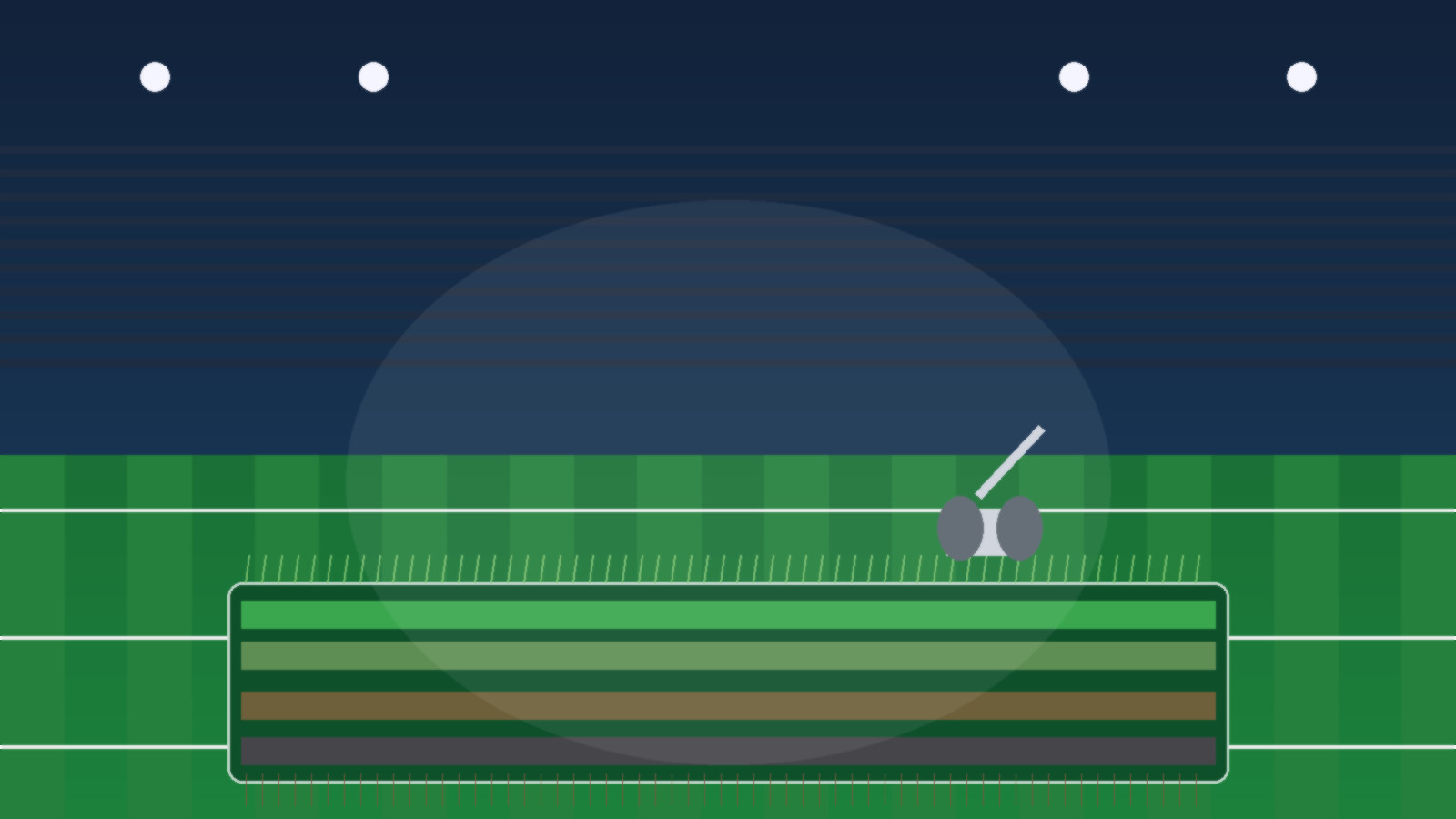
World Cup grass sounds like a niche issue until you realize how much can go wrong. Reuters recently laid out the science behind perfect football pitches, while Scientific American and Yahoo Sports both highlighted the scale of the engineering work needed to get 16 tournament-ready fields in place.
This is not just about making the surface look green on television. It is about building a pitch that can survive repeated matches, changing weather, stadium shade, heavy foot traffic and the brutal calendar pressure that comes with a global tournament.
Why World Cup grass is a serious project
At this level, the field is part of the competition. A pitch that is too soft slows the ball and risks injuries. A surface that is too firm changes bounce and affects passing speed. Drainage, root depth, moisture balance and surface stability all matter.
That is why the World Cup pitch conversation now sounds more like agronomy than sports gossip. The articles circulating this week describe a process that combines seed selection, turf science, climate planning and constant monitoring once the grass is laid down.
What makes the job so difficult
Different host venues create different problems. Some stadiums need natural grass installed over a surface that was built for another sport. Others need the field protected from shade, heat or heavy use between matches. In all cases, the grass has to be ready on a fixed deadline and keep performing after kick-off.
That is why the industry treats a World Cup pitch almost like a temporary piece of infrastructure. It is grown, tested, moved, maintained and repaired with the kind of precision usually reserved for engineering projects, not lawn care.
Why this matters for players and fans
Fans usually notice poor pitches only when the football gets ugly: bad bounces, more slips, slower ball circulation, or a match that feels choppy instead of flowing. Players notice everything earlier.
When the grass is right, the game is cleaner and the tournament gets the spectacle FIFA wants. When it is wrong, the discussion quickly shifts from football to field conditions. That is why the quality of the surface is now a legit part of the build-up, not a background detail.
Bottom line
The World Cup’s grass problem is really a quality-control problem. FIFA and its partners are trying to make 16 different venues play like one consistent tournament surface, and that requires science, patience and a lot of expensive preparation.
If the pitches hold up, nobody will celebrate the agronomy. But if they do not, the grass will become one of the tournament’s biggest stories.
Sources
- Reuters: FIFA World Cup 2026: The science behind perfect football pitches
- Scientific American: How FIFA is engineering natural grass for the 2026 World Cup
- Yahoo Sports: The science behind the perfect grass on the World Cup’s 16 fields

William covers the sports world with passion and precision — from transfer rumors to game-changing performances. With a sharp eye for trends and a love for bold storytelling, he brings fans closer to the action, one article at a time.

