


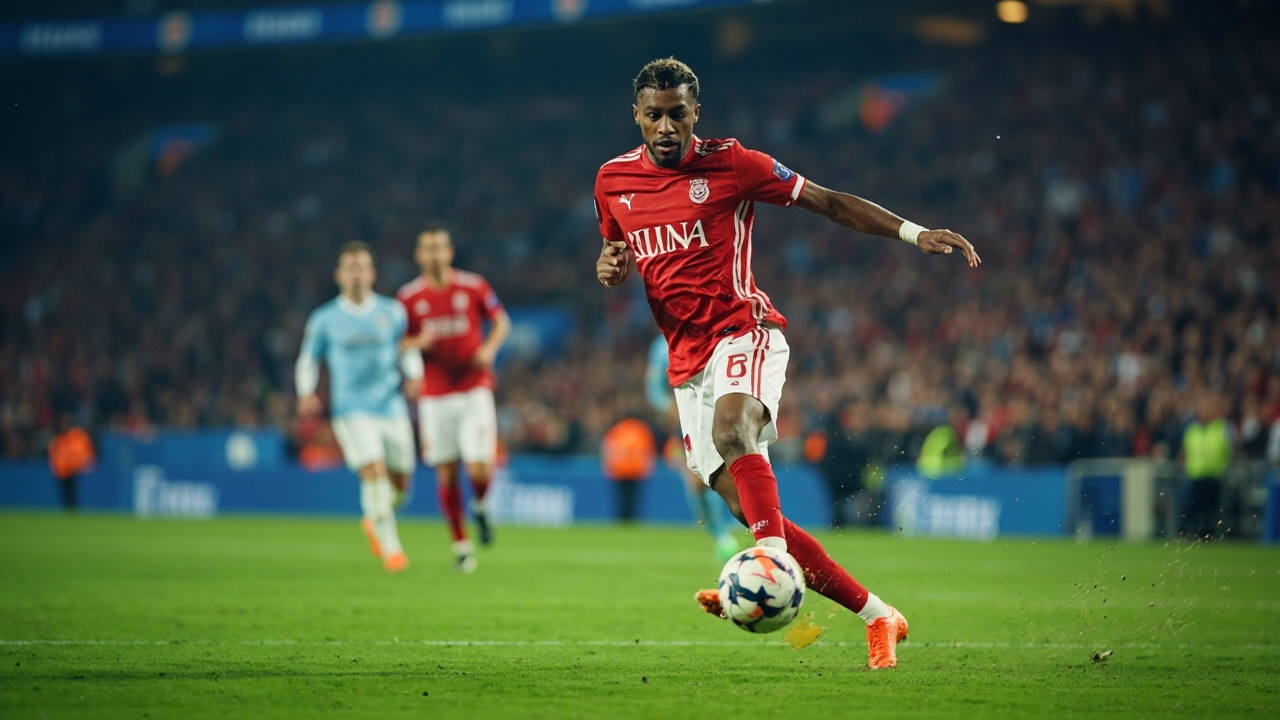
The 2025 FIFA Club World Cup represents football’s most ambitious club tournament transformation in decades. Expanding to 32 teams across a month-long festival of football, this reimagined competition aims to elevate club football to truly global heights. Hosted across the United States from June 14 to July 13, the tournament promises unprecedented prestige, competition, and financial rewards that could reshape football’s international landscape.
No longer the brief midseason tournament that struggled for wider relevance, the new format mirrors the FIFA World Cup itself—eight groups of four teams battling through group stages before the knockout drama begins. With a staggering $1 billion prize pool and football’s elite clubs from every continent converging on American soil, the stage is set for a defining moment in club football history.
The expanded format: A true global championship
Structure and qualification pathway
The tournament’s format represents a complete reimagining of club football’s global championship. The 32 qualified teams will compete in eight groups of four, with the top two from each advancing to a knockout stage beginning with the round of 16. This structure creates 63 competitive matches across America’s premier sporting venues, culminating in the July 13 final that will crown the undisputed club world champion.
Qualification pathways reflect FIFA’s attempt to balance traditional powerhouses with global representation. Europe dominates with 12 slots, South America secured 6 places, while Africa and Asia claimed 4 each. The inclusion of host nation representatives like Club World Cup tickets struggle in Miami headliner Inter Miami adds commercial appeal despite controversy over qualification criteria.
Star power and continental strength
The tournament promises unprecedented star power on American soil. European giants like Real Madrid, Manchester City, and Bayern Munich bring their galaxy of established stars, while South American powerhouses Flamengo, River Plate, and Palmeiras showcase the fierce competitive spirit of CONMEBOL football.
The individual narrative threads are equally compelling—from Vinícius and Real Madrid at FIFA’s The Best Awards potentially adding another trophy to their collection to the possibility of Lionel Messi’s Inter Miami defying expectations on home soil. The quest to be crowned the undisputed club world champion raises the stakes for every participating team.
Commercial impact and football politics
Financial implications and broadcast reach
Beyond the sporting spectacle, the economic impact of the revamped Club World Cup cannot be overstated. FIFA’s billion-dollar prize pool dwarfs previous editions, with winners potentially securing up to $125 million—a transformative sum even for football’s wealthiest clubs. The additional $250 million solidarity fund represents FIFA’s attempt to address criticism by directing resources toward global football development.
Broadcast arrangements reflect the tournament’s commercial ambitions, with DAZN securing exclusive global rights to stream all 63 matches. This global distribution strategy aims to establish the Club World Cup as a premier television event in the international football calendar, despite concerns about viewer fatigue immediately following domestic seasons and international tournaments.
Legacy and cultural significance
The Club World Cup’s redesign represents FIFA’s latest attempt to establish a truly prestigious global club competition. Previous iterations struggled to capture worldwide imagination, often seen as an inconvenience by European giants rather than a coveted prize. The tournament’s shift to a quadrennial schedule mirrors the World Cup’s rhythm, potentially allowing it to develop its own distinct legacy.
The cultural resonance of this new format remains uncertain. Will it become football’s definitive club championship, or simply another tournament in an increasingly congested calendar? Much will depend on how seriously clubs approach the competition and whether the prestige matches the Messi’s iconic legacy and financial rewards on offer.
Conclusion
The 2025 FIFA Club World Cup represents football’s boldest attempt yet to create a truly global club championship. With unprecedented scale, financial incentives, and competitive depth, the tournament has the ingredients to become a defining competition in world football.
As kickoff approaches, questions remain about whether this reimagined format will capture global imagination or face resistance from traditionalists. What’s certain is that June 2025 will witness football’s most ambitious club tournament experiment—one that could permanently alter the sport’s competitive hierarchy if successful.
Will you be following this revolutionary new chapter in international club football?


