


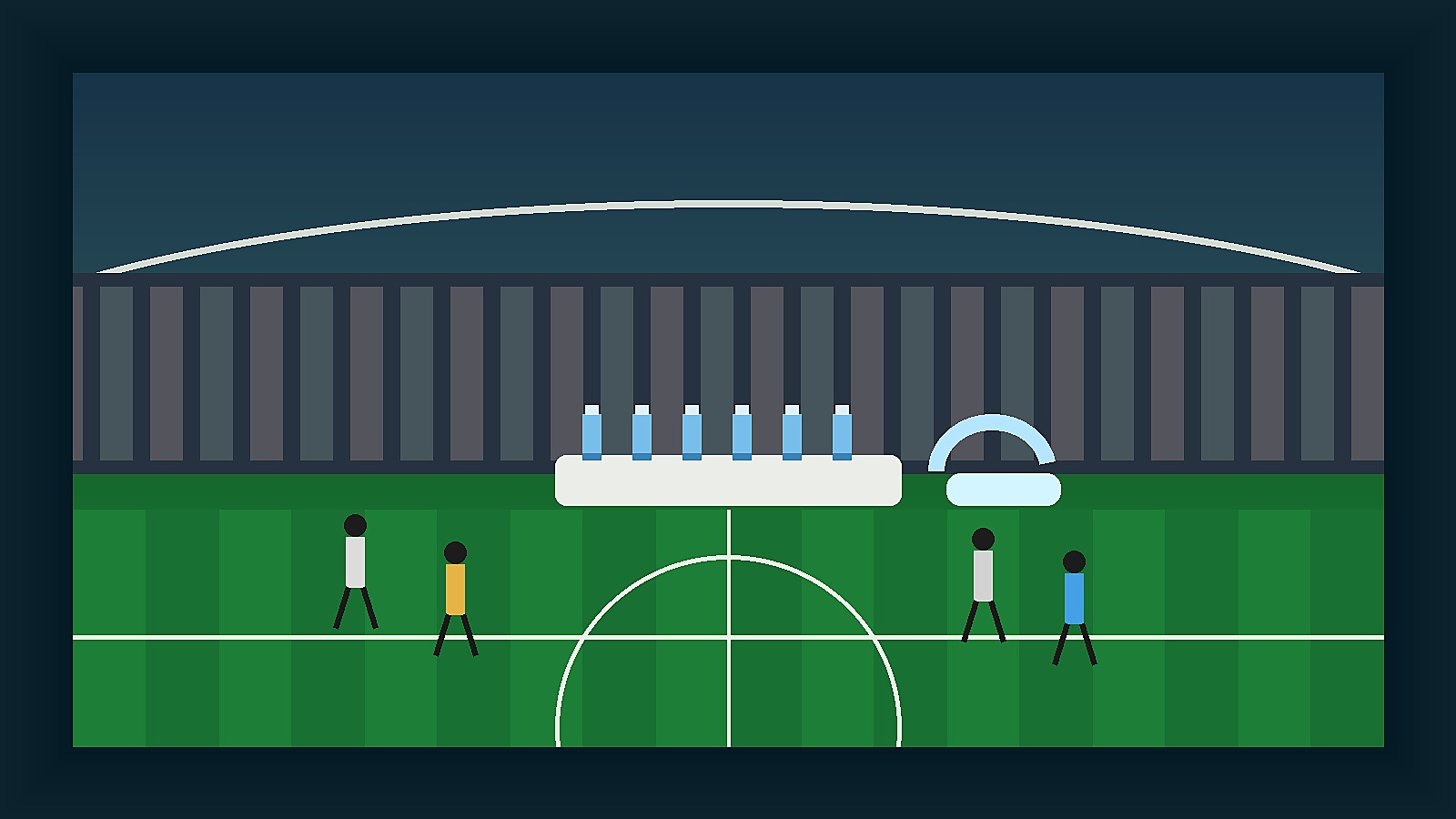
Hydration breaks have become one of the most visible new rhythms of the 2026 FIFA World Cup. For the first time at a men’s World Cup, FIFA has made a three-minute pause mandatory midway through each half, even when a venue is enclosed or the temperature does not appear extreme.
The rule is designed as a player-safety measure for a tournament spread across the United States, Mexico and Canada during summer conditions. It has also created debate because the breaks can interrupt the flow of a match and give coaches a short tactical window. For fans watching at home, the key point is simple: these are not optional stoppages. They are part of the tournament protocol.
What FIFA is doing during matches
The pauses are scheduled around the middle of each half. Players and match officials can take fluids, cool down and receive quick instructions before play resumes. According to the Associated Press, FIFA introduced the mandatory three-minute cooling breaks to “ensure equal conditions for all teams, in all matches,” drawing on lessons from recent tournaments played in hot conditions.
That means supporters should expect the breaks even in matches where the weather does not look severe on television. The tournament is being played across very different climates and stadium types, so a uniform rule avoids match-by-match confusion and gives teams a predictable routine.
Why heat is a serious performance issue
Elite players are fitter than almost anyone in sport, but they are not immune to heat stress. In hot and humid conditions, players can lose large amounts of fluid through sweat while repeatedly sprinting, pressing and changing direction. Dehydration can reduce performance, slow decision-making and increase the risk of exertional heat illness.
The AP report cited sports-health experts warning that symptoms can range from cramps, fatigue and headaches to confusion or loss of consciousness in the most serious cases. The risk is not limited to outfield players either: referees and assistant referees are also exposed for long periods and are covered by the same safety logic.
Why some coaches and experts still disagree
The controversy is not about whether players need water. The disagreement is about timing, length and competitive impact. Some coaches accept breaks in extreme heat but question whether they are needed in every match. From a tactical perspective, a stoppage can help a team under pressure reset its shape, slow momentum or deliver instructions that would normally have to wait until halftime.
Some heat-safety specialists have also argued that three minutes may not be long enough to make the biggest possible physical difference. Cooling towels, ice, shade and electrolyte replacement can help, but the impact depends on how aggressively teams use the short window.
What it means for fans and bettors
For viewers, the breaks are now part of match management. They can slightly change tempo, especially when one side is dominating possession or pushing for a goal. A coach may use the pause to adjust pressing triggers, settle a back line or prepare a substitution plan.
For the tournament as a whole, the rule shows how major soccer events are adapting to hotter summers and heavier player workloads. Whether fans like the interruption or not, player safety is the priority FIFA is emphasizing, and teams that manage the pauses intelligently may gain small but meaningful advantages.
Sources
- Associated Press: FIFA hydration breaks explained
- ABC News/AP: criticism and player-safety context
- FIFA: World Cup 2026 scores and fixtures

William covers the sports world with passion and precision — from transfer rumors to game-changing performances. With a sharp eye for trends and a love for bold storytelling, he brings fans closer to the action, one article at a time.

