


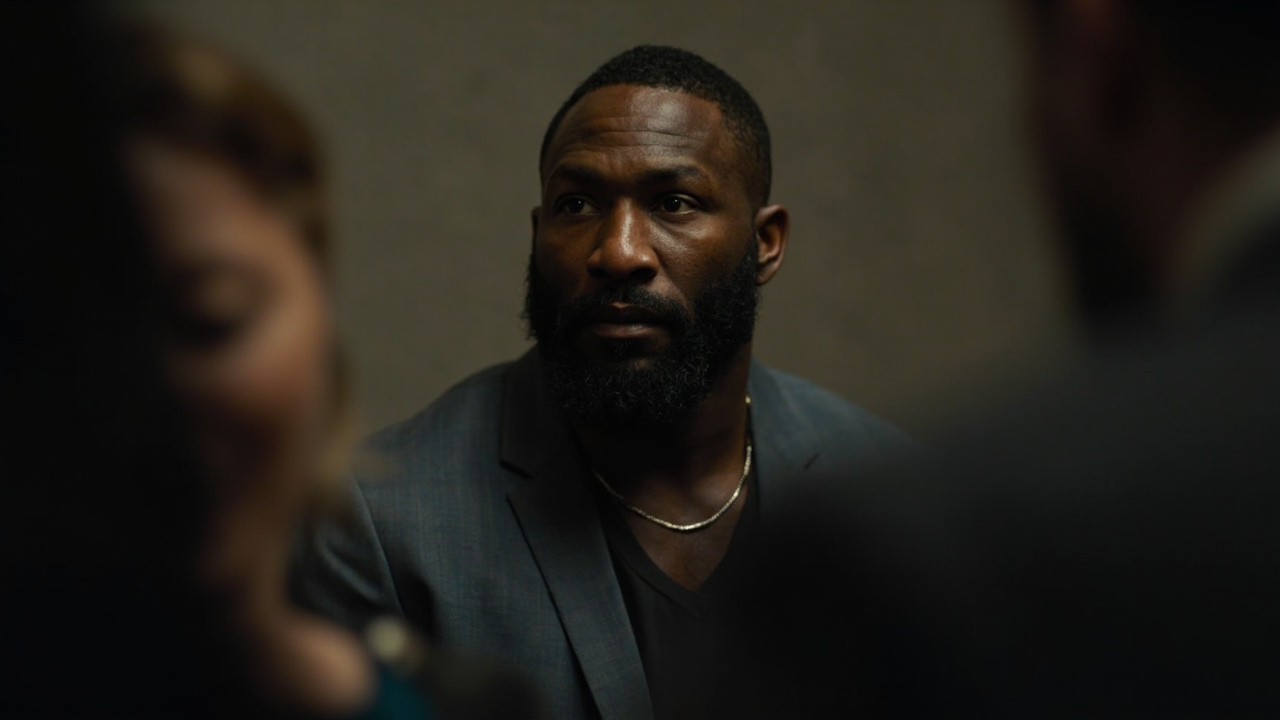
The ongoing investigation into Francis Ngannou’s alleged connection to a fatal accident in Cameroon continues to evolve as new details emerge. As a combat sports figure whose rise from the sand mines of Cameroon to global stardom has inspired millions, Ngannou now faces intense scrutiny regarding his potential involvement in a tragic incident that claimed the life of a young woman. This detailed examination breaks down what we know about the official reports, police investigation, and Ngannou’s own statements regarding the incident.
While initial media reports painted one picture, subsequent court findings have dramatically shifted the narrative. This analysis separates fact from speculation and examines the official documentation that may determine the fighter’s legal standing in this complex case.
Timeline of the accident investigation and initial reports
According to multiple verified sources, including MMA Junkie and The Independent, the incident occurred during Easter weekend in late April 2025 in Yaoundé, Cameroon. Initial reports indicate that Ngannou was allegedly operating a motorcycle that struck a young woman identified as Ntsama Brigitte Manuella in the Omnisports district.
The victim was reportedly rushed to Yaoundé General Hospital following the collision, but tragically succumbed to her injuries. This initial narrative spread rapidly across combat sports media outlets and mainstream news platforms, creating immediate concern about Ngannou’s potential culpability in what appeared to be a fatal collision involving an England football star.
Law enforcement in Cameroon initiated an investigation, though specific details regarding the case number, investigating officers, and preliminary findings remain difficult to verify through public records. This information gap has contributed to the speculation surrounding Ngannou’s exact role in the incident.
Medical error determination in the official report
In a significant development that changed the trajectory of the investigation, a Yaoundé court ruling identified a critical factor in Manuella’s death. According to French combat sports outlet La Sueur, which cited an official release from the Yaoundé High Court, Manuella’s death was determined to be the result of a “serious medical error” rather than directly from injuries sustained in the collision.
The court document specifically mentioned an overdose of anesthesia administered at the hospital as the direct contributor to her death. This ruling fundamentally altered the nature of the investigation, shifting focus from the accident itself to potential medical malpractice by the hospital staff.
Ngannou’s public and private response to the incident
In the wake of the tragedy, Ngannou released a statement that has been verified by multiple credible sources. His response acknowledged the incident while expressing profound remorse for the family’s loss: “From the very beginning, I have been by the family’s side, offering support, comfort, and deepest condolences during this time. I’ve met with them privately to share in their grief, and I will continue to stand with them every step of the way.”
This statement, while not directly addressing the specifics of his involvement in the accident, confirmed Ngannou’s connection to the incident. It also indicated his ongoing engagement with the victim’s family, suggesting a level of responsibility that transcends legal obligation.
Link between Ngannou property and the investigation
Public records searches have yielded limited information connecting Ngannou’s property to the investigation. While reports confirm the motorcycle involved in the accident was being operated by Ngannou, details regarding the vehicle’s registration, insurance status, and ownership history remain unclear in public documentation.
This information gap presents a challenge for investigators attempting to establish a comprehensive timeline of events and assess potential liability factors. The absence of verified documentation has also fueled speculation in media reports about Ngannou’s legal exposure in the case.
Legal implications of the court’s medical error finding
The court’s determination that Manuella’s death resulted from medical error rather than the collision itself introduces significant legal complexity to the case. Under most legal frameworks, this finding potentially alleviates Ngannou from culpability for the death itself, though questions regarding responsibility for the initial accident remain unresolved.
This situation parallels other legal issues faced by sports figures who find themselves navigating complex legal jurisdictions. Cameroon’s traffic laws regarding motorcycle operation, licensing requirements, and accident liability will ultimately determine Ngannou’s legal standing.
Unanswered questions in the investigation
Despite the court’s findings, several critical questions remain unanswered in the official investigation. These include:
- Was Ngannou operating the motorcycle with proper licensing and in accordance with local traffic laws?
- What factors contributed to the initial collision, and does fault rest with any party?
- What specific evidence led investigators to their current conclusions?
- What documentation exists regarding the medical procedures that ultimately led to Manuella’s death?
- What legal obligations remain for Ngannou related to the accident itself?
Conclusion and ongoing developments
The investigation into Francis Ngannou’s connection to this tragic incident continues to develop, with the court’s determination of medical error significantly altering the narrative. While Ngannou has expressed support for the victim’s family, full legal resolution awaits the completion of official investigations and potential court proceedings.
As this case progresses, the distinction between Ngannou’s involvement in the accident and his responsibility for Manuella’s death represents a critical legal nuance. For investigators, journalists, and the public, understanding this distinction is essential to accurately assessing the situation beyond sensational headlines.
The complete picture of Ngannou’s connection to this tragedy remains incomplete as authorities continue their work. For now, the court’s finding of medical error rather than collision trauma as the cause of death stands as the most significant official determination in this developing case.


