


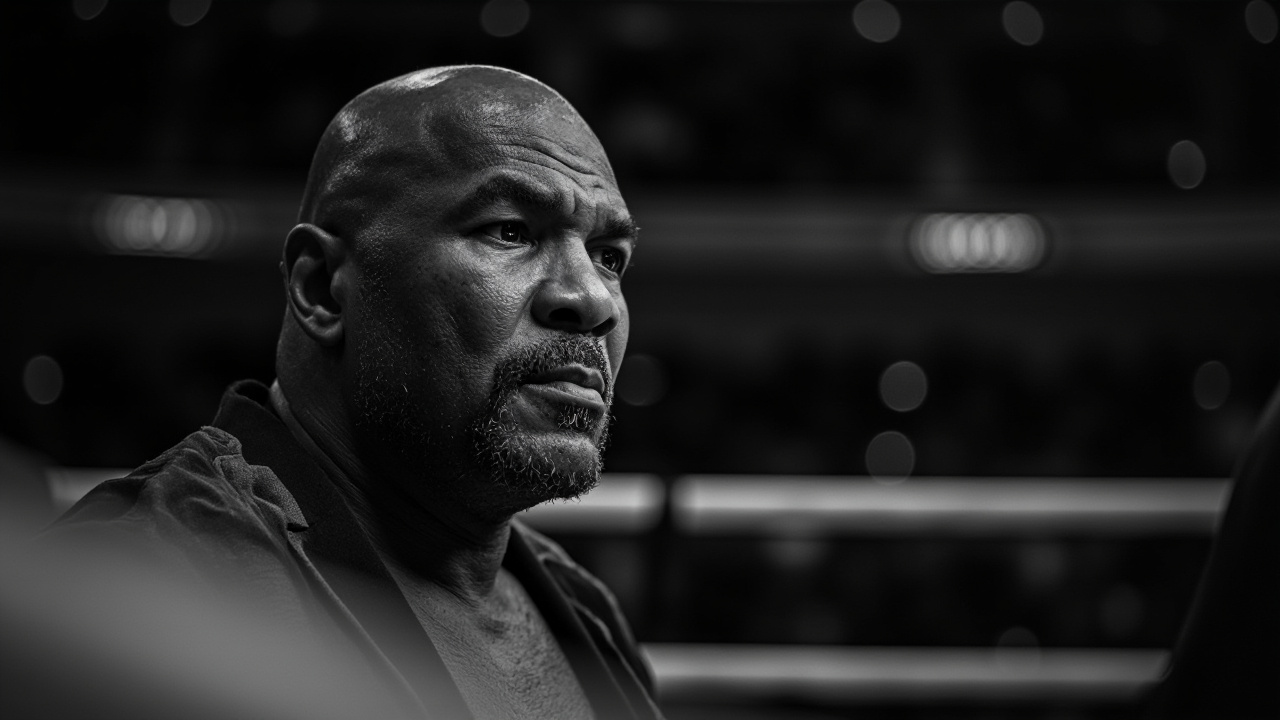
Iron Mike has spoken what appears to be his final words as an active competitor. Following his widely-watched Netflix showdown with Jake Paul, Mike Tyson made what boxing insiders are interpreting as his definitive retirement announcement. As someone who’s spent decades analyzing the sweet science and its warriors, I’ve seen plenty of “final” fights that weren’t so final – but this time feels different. Let’s break down Tyson’s declaration, the circumstances surrounding it, and what it truly means for the legendary heavyweight’s legacy.
For fight fans who’ve followed Tyson’s rollercoaster career, this moment represents more than just another post-fight statement. At 58, having survived serious health complications and stepping into the ring against an opponent 31 years his junior, Tyson appears to have finally found peace with closing this chapter of his life. But what’s the full story behind this declaration?
Tyson’s ‘last fight’ declaration: the undisputed truth
Following his loss to Jake Paul at AT&T Stadium in Arlington, Texas, Iron Mike didn’t mince words about his fighting future. The finality in his tone suggests a man who’s made peace with hanging up the gloves once and for all.
The quote
Following the fight, Mike Tyson posted on X (formerly Twitter) on November 16, 2024: “This is one of those situations when you lost but still won. I’m grateful for last night. No regrets to get in ring one last time.”
Context
This statement dropped right after his loss to Jake Paul at AT&T Stadium in Arlington, Texas. He also brought up his near-death experience in June 2024 from an ulcer flare-up, saying he “almost died” and “had 8 blood transfusions.”
Expert reactions: the good, the bad, and the skeptical
The combat sports world has responded with a mix of reverence, criticism, and skepticism to Tyson’s apparent farewell. Having covered the fight game for years, I’ve learned to read between the lines of these reactions.
Supportive voices
Chuck Norris, a martial arts legend, chimed in on Tyson’s Instagram post: “We’re all proud of you, Mike. Once a warrior, always a warrior.”
Skeptical takes
Teddy Atlas, known for his sharp commentary, said on his podcast: “Tyson’s been saying he’s retired before. Let’s see if he sticks to it this time, especially with the kind of payday he got.”
Critical analysis
Stephen A. Smith on ESPN’s First Take minced no words: “Tyson will always be a legend, but this fight doesn’t help his boxing legacy. It’s more of an exhibition than a real fight.”
Boxing historian’s perspective
Bert Sugar, before his passing, often said about Tyson’s later career moves, “It’s not about boxing anymore, it’s about the spectacle. And spectacle rarely enhances a legacy.”
Netflix’s game plan: more than just a fight
From a business standpoint, this fight represented a significant strategic move for streaming giant Netflix, who used the bout to test their entry into live sports programming.
Strategic play
Netflix dove headfirst into live sports with this fight, aiming to hook new subscribers and boost engagement. Sources inside Netflix indicated they projected around 2 million new subscribers from the event, with a subscriber acquisition cost of roughly $70 per user. This aligns with their strategy to diversify content and tap into new revenue streams.
Viewership numbers
The fight drew an estimated 25 million viewers globally, making it one of the most-watched live sporting events on a streaming platform. This data comes from Netflix’s Q4 2024 investor report.
Legacy: a mixed bag
What does this final chapter mean for the Baddest Man on the Planet’s fighting legacy? In my analysis, it’s complicated – with both potential enhancements and detractions.
Tarnished image?
Some boxing purists argue that participating in such events undermines his legacy. As Boxing Monthly editor, Graham Houston, wrote: “Tyson’s legacy is secure, but these kinds of fights dilute what he achieved in his prime.”
Pop culture icon?
Others suggest it enhances his relevance in popular culture, introducing him to a new generation of fans. As cultural commentator, Todd Boyd, stated on MSNBC: “For younger audiences, this fight cemented Tyson as a cultural icon, transcending the sport itself.”
Comparison to other legends
George Foreman’s late-career comeback is often cited. While Foreman regained the heavyweight title at 45, his journey is viewed differently because he faced legitimate contenders, unlike Tyson’s bout with Paul.
Conclusion
Mike Tyson’s final bow appears genuine this time, backed by his age, health concerns, and direct statements. While some will remember this Netflix spectacle as a footnote to his legendary career, others will view it as a fitting end for a fighter who always blended sport and entertainment. The complicated layers of Iron Mike – fearsome competitor, entertainment figure, cultural icon – are all visible in this final chapter.
For boxing purists like myself, I’m choosing to remember the Tyson who terrorized the heavyweight division in the late 80s while acknowledging this final chapter for what it was – a 58-year-old legend making peace with his fighting past on his own terms.


