


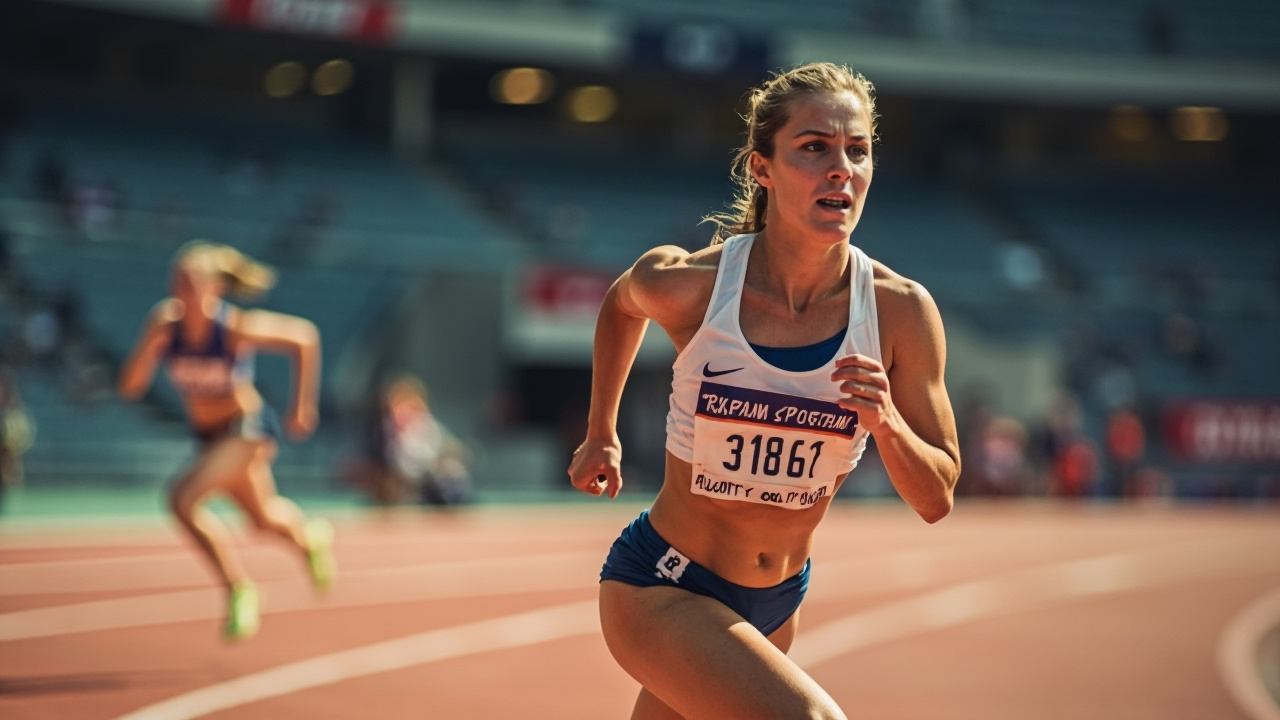
The MIT Final Qualifier delivered high-stakes drama as women’s track and field athletes from across New England made their final push for NCAA Championship qualification. This last-chance meet on May 15, 2025, featured record-breaking performances, personal bests, and nail-biting finishes that could determine who receives coveted spots at nationals. Let’s break down the standout performances and NCAA qualifying implications from this crucial competition.
Record-breaking performances across multiple events
The pressure of this last-chance qualifier brought out exceptional performances from athletes representing prestigious institutions across the region. Several school records fell as competitors rose to the occasion with championship berths on the line.
Harvard and Boston University dominate sprint and middle distance
Harvard University showcased impressive depth across multiple events. Mickaila Haisley claimed victory in the 100m with a time of 11.80 seconds, while teammate Mfoniso Andrew secured fourth place in 11.98 after running 11.88 in prelims. In the middle distances, Marianne Mihas delivered a season-best 4:20.61 in the 1500m for second place, followed by freshman Abigail Sadler’s career-best 4:26.01 for third.
Boston University’s Olivia Dodds produced one of the day’s most impressive performances, clocking 2:05.79 in the 800m to become the second-fastest performer in BU history. Her teammate Caroline Collins posted a swift 4:17.07 in the 1500m, ranking third all-time at BU. The Sports Updates for May 15, 2025 highlighted these exceptional performances among the day’s top collegiate results.
Field event highlights and school record breakers
In field events, Harvard’s Cara Salsberry dominated the throws, taking second in hammer (56.08m) and first in discus (47.48m). Boston University’s Peace Omonzane captured the long jump title with a leap of 6.06m.
Amherst College’s women were particularly impressive, setting three new school records in a single day: Ellie Jolly (200m, 25.68), Sophia Schwartz (5000m, 17:31.77), and Julia Schor (1500m, 4:30.54).
Bridgewater State’s 4x100m relay team of Alison McDonough, Kiara Abrantes, Grace Inacio, and Jailene Escalera shattered their own school record with 46.58 seconds, significantly boosting their NCAA Championship qualification chances.
NCAA championship implications and qualifying marks
The MIT Final Qualifier served its purpose as the last opportunity for athletes to secure NCAA Championship qualifying marks. The tension was palpable as competitors aimed to either improve their position or break into the qualification zone.
Athletes on the qualification bubble
The most dramatic storylines centered on athletes sitting right on the qualification bubble. Williams College’s Zachary Liu-Walter ran a personal best of 1:50.29 in the 800m, potentially securing a national qualifying spot in the process. Gwen Neale shines in 800m events has been a recurring theme this season, with many athletes making significant improvements in this competitive event.
Relay teams and individual standouts improving national rankings
Bridgewater State’s 4x100m relay team improved their NCAA Division III ranking to 16th with their record-breaking performance, significantly enhancing their championship qualification prospects. Alison McDonough’s season-best 14.16 in the 100m hurdles also strengthened her individual qualification case.
Wentworth Institute of Technology’s Nate Muller secured victory in the pole vault, clearing 4.70M to tie the program record and potentially earn consideration for nationals.
With the NCAA D1 Baseball Bracket Projections already generating buzz across collegiate athletics, the track and field selection committee will soon have equally important decisions to make regarding championship qualification.
Conclusion
The MIT Final Qualifier perfectly exemplified the drama and intensity of collegiate track and field. Athletes delivered when it mattered most, breaking records and achieving personal bests with NCAA Championship berths hanging in the balance. The official NCAA selection announcements will reveal which performances were enough to secure coveted spots, but regardless of outcome, this meet showcased the exceptional talent and competitive spirit present in collegiate women’s track and field.
For fans of collegiate athletics, these final qualifying meets represent the culmination of months of training and competition, with athletes laying everything on the line for a chance to compete on the national stage. The next chapter awaits at the NCAA Track and Field Championships, where qualifiers will aim for All-American honors and national titles.


