


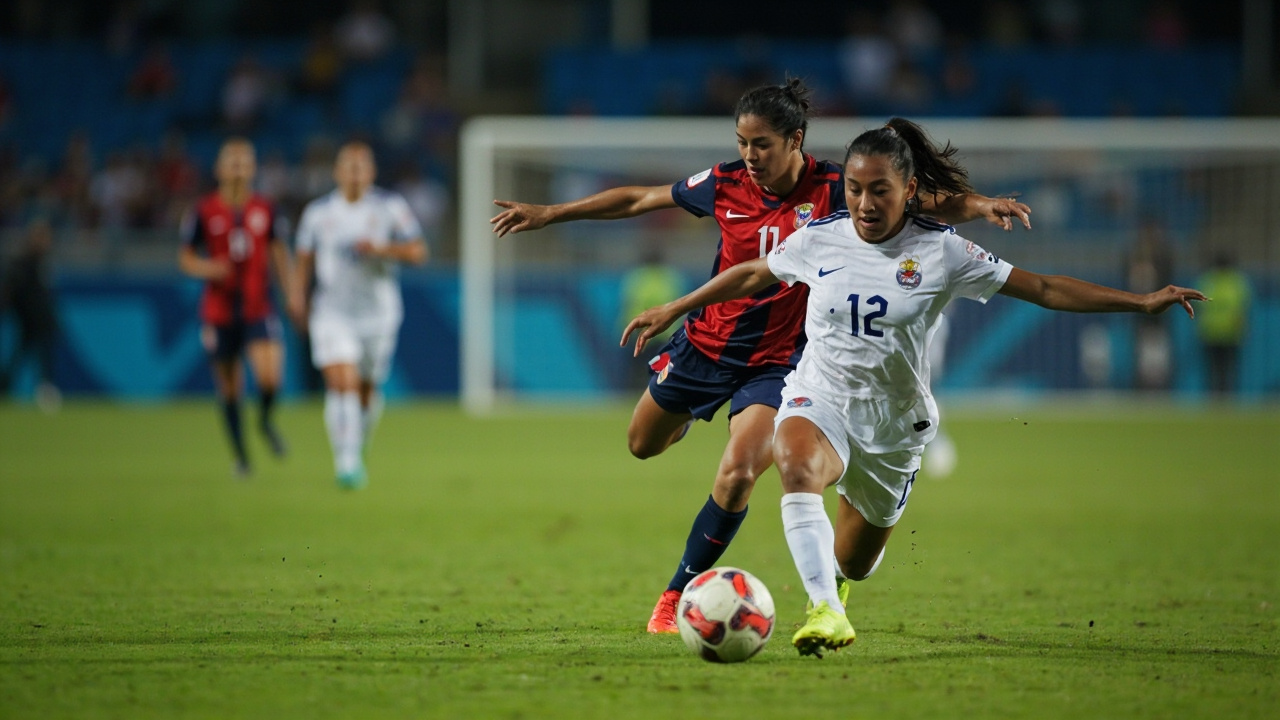
The Philippine Women’s National Football Team’s improbable journey to the 2023 FIFA Women’s World Cup, cemented by their performance at the 2022 AFC Women’s Asia Cup, remains a watershed moment for the sport in the island nation. More than just a series of games, it was a cultural phenomenon that captured the hearts of Filipinos worldwide. This remarkable achievement represented not only a sporting triumph but a pivotal cultural milestone that transcended boundaries.
1. Group stage battles
Drawn into Group B, the Filipinas faced a gauntlet of challenges, each match a crucial step in their historic campaign. The opening victory against Thailand set the tone for their journey, providing the confidence needed to navigate the tournament. Despite a setback against tournament favorites Australia, the team rebounded spectacularly with a dominant performance against Indonesia, showcasing their attacking prowess and mental resilience.
This resilience represented a significant evolution in Philippine women’s football, which has parallels to the pioneering era of women’s sports when female athletes first began breaking barriers in competitive environments.
2. The defining moment quarter-final vs. Chinese Taipei
The quarter-final clash against Chinese Taipei was more than just a game; it was a crucible forging the team’s destiny. The match ended in a 1-1 stalemate after extra time, leading to a dramatic penalty shootout where the Filipinas prevailed 4-3, securing their World Cup berth.
Quinley Quezada’s 49th-minute goal ignited celebrations, only for Zhou Li-Ping to level the score in the 83rd minute. The ensuing penalty shootout showcased goalkeeper Olivia McDaniel’s heroics as she denied two Chinese Taipei attempts, while Sarina Bolden coolly dispatched the decisive penalty, etching her name into Philippine football folklore.
3. Architects of history key players
Sarina Bolden (Forward)
The face of Philippine women’s football, Bolden’s contributions extended far beyond the decisive penalty against Chinese Taipei. Her tournament statistics tell the story of a complete forward: 75% shot accuracy, 30% conversion rate, and an impressive 60% success rate in aerial duels. These numbers translated into match-winning performances when the team needed them most.
Olivia McDaniel (Goalkeeper)
McDaniel’s tournament was defined by consistency and clutch performances. With 12 saves, an 80% save percentage, and two crucial penalty saves in the shootout against Chinese Taipei, she embodied the defensive solidity that underpinned the team’s success. Her composure under pressure provided the foundation for the team’s historic achievement.
Quinley Quezada (Forward)
Quezada’s technical ability and tactical intelligence made her an invaluable asset throughout the tournament. Her goal against Chinese Taipei showcased her predatory instincts and ability to perform on the biggest stage, while her link-up play created numerous opportunities for teammates.
4. The Stajcic blueprint tactical masterclass
Impenetrable defense
Coach Alen Stajcic implemented a compact 4-4-2 defensive structure that prioritized discipline and minimized errors. This tactical approach was particularly evident against Thailand, where the Filipinas restricted their opponents to just three shots on target while maintaining a defensive line approximately 30 meters from their own goal.
Adaptability
Stajcic’s tactical flexibility proved crucial throughout the tournament. In the quarter-final, his decision to shift to a 4-5-1 formation in the final 15 minutes of extra time helped the team gain control, resulting in a 15% increase in midfield possession and effectively stifling Chinese Taipei’s attacking momentum.
Set-piece prowess
The team’s dedication to set-piece execution paid dividends, with 30% of their goals originating from dead-ball situations. This emphasis on maximizing scoring opportunities from corners and free kicks reflected Stajcic’s meticulous attention to detail and understanding of tournament football dynamics.
5. A nation united media and public frenzy
The World Cup qualification ignited unprecedented enthusiasm across the Philippines. Major news outlets provided extensive coverage, with social media engagement reaching remarkable levels. The hashtag #LabanFilipinas became a national rallying cry, reaching over 5 million users and unifying Filipinos across geographical and social boundaries.
6. Overcoming obstacles challenges and turning points
The road to glory was paved with significant challenges. The opening defeat to Australia served as a valuable learning experience, while injuries to key players tested the squad’s depth. The pressure of the quarter-final penalty shootout represented the ultimate mental challenge, with the team’s success in this moment reflecting their psychological fortitude and belief in themselves.
7. Pillars of support the backroom heroes
Behind the scenes, numerous individuals and organizations contributed to the team’s success. The Philippine Football Federation secured crucial funding from corporate sponsors, while the Philippine Sports Commission provided access to world-class training facilities. This robust support system created the environment in which players could focus entirely on performance.
8. Gearing up for the world stage preparations
Following qualification, preparations for the 2023 FIFA Women’s World Cup intensified. Training camps in Europe exposed the team to different playing styles, while friendly matches against established nations provided valuable competitive experience. Specific performance metrics were targeted, including a 15% improvement in passing accuracy and 20% enhancement in stamina.
9. A lasting legacy impact on women’s football
The qualification’s most significant impact may be its long-term effect on women’s football in the Philippines. The achievement inspired countless young girls to pursue the sport, while increased investment in women’s football has supported the development of youth programs and improved sporting infrastructure.
This transformation mirrors another compelling journey in women’s football, demonstrating how success at the international level can catalyze positive change within national sporting structures.
Conclusion
The journey of the Philippine Women’s National Football Team to World Cup qualification stands as a testament to the power of resilience, strategic planning, and collective belief. More than a sporting achievement, it represents a cultural milestone that will inspire generations of Filipino athletes. As they prepare to compete on football’s biggest stage, their legacy is already secure as pioneers who redefined what is possible for women’s sports in the Philippines.


