


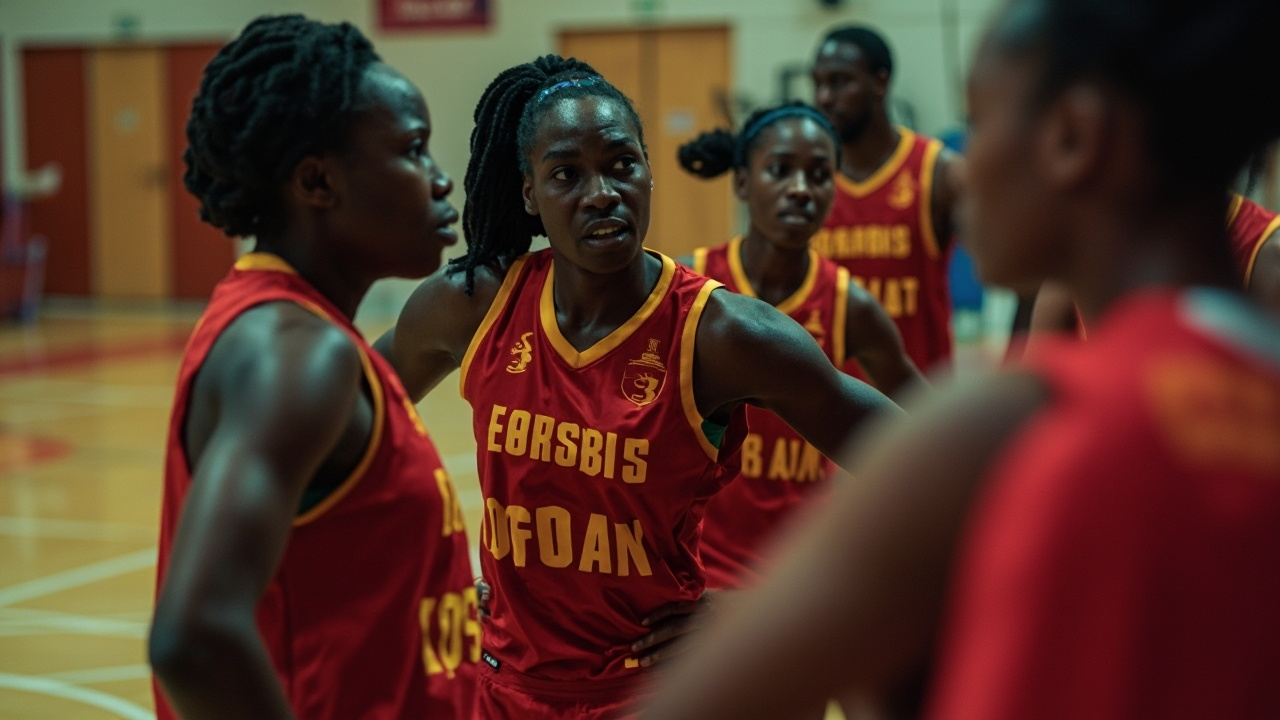
The U.S. State Department’s visa denials for the Senegal women’s national basketball team have exposed a troubling pattern that extends far beyond sports. When multiple team members and staff were denied entry for their planned training camp, it wasn’t just about basketball – it was about how immigration policies can derail international athletic cooperation at the highest levels.
As someone who’s covered international basketball for over 15 years, I’ve seen visa issues create headaches for individual players, but an entire team getting blocked? That’s unprecedented in my experience covering women’s basketball.
The diplomatic fallout reveals deeper tensions
Prime Minister Ousmane Sonko’s response was swift and pointed. He cancelled the entire U.S. training camp and publicly thanked China for their continued support of Senegalese basketball. That’s not the reaction of a government treating this as routine administrative paperwork.
The timing couldn’t be worse for U.S.-Senegal relations. Reports surfaced around the same period about the Trump administration potentially adding Senegal to a travel ban list, creating a toxic backdrop for any visa applications.
Babacar Ndiaye, head of Senegal’s Basketball Federation, revealed a telling detail: players with existing visas could travel, but all new applications were rejected. This suggests a sudden policy shift rather than individual security concerns.
Reading between the lines of bureaucratic silence
The State Department’s refusal to comment speaks volumes. Their standard “we don’t discuss individual cases” response is diplomatic speak for “we’re not explaining our reasoning publicly.” In basketball terms, it’s like a coach saying “we’ll review the tape” after a controversial call – technically an answer, but meaningless.
This silence is calculated. They’re not about to publicly air potential concerns about specific individuals or reveal how Trump travel ban soccer impact policies might be affecting sports diplomacy.
The pattern reveals policy changes
When old visas work but new ones don’t, that’s not random. It’s systematic. The State Department clearly implemented stricter scrutiny for new applicants from certain countries, regardless of their purpose for traveling.
Similar to how ice politics in US Soccer have complicated international relationships, these visa denials demonstrate how immigration policies can weaponize sports diplomacy.
What this means for international basketball
The ripple effects extend beyond one training camp. Senegal’s women’s team, ranked among Africa’s elite programs, now faces limited preparation options for major international competitions. Their planned high-level scrimmages against American college teams? Gone.
For context, programs like USA Basketball Women’s U19 trials rely heavily on international competition to develop players. When visa policies shut down these exchanges, everyone loses valuable development opportunities.
The broader implications for sports diplomacy
Basketball has historically served as a bridge between nations. Remember the Dream Team’s global impact? Or how the NBA’s international expansion has created cultural connections worldwide? These visa denials represent a fundamental shift away from sports as diplomatic soft power.
The precedent being set is dangerous. If legitimate sports programs can’t navigate visa requirements, what does that say about America’s commitment to international athletic cooperation?
Moving forward requires transparency and consistency
The State Department needs to clarify their visa criteria for international athletic programs. Are security concerns legitimate, or are broader immigration policies being applied blindly to sports teams?
Clear guidelines would prevent future diplomatic incidents and ensure that legitimate sports programs aren’t caught in political crossfire. The basketball court should remain neutral ground, even when government relations get complicated.
The lasting impact on international basketball
This incident isn’t just about one team or one training camp. It’s about whether America will remain a destination for international basketball development or become just another country where politics trumps athletic excellence. The choice, like a crucial free throw, is entirely in America’s hands.

William covers the sports world with passion and precision — from transfer rumors to game-changing performances. With a sharp eye for trends and a love for bold storytelling, he brings fans closer to the action, one article at a time.

