


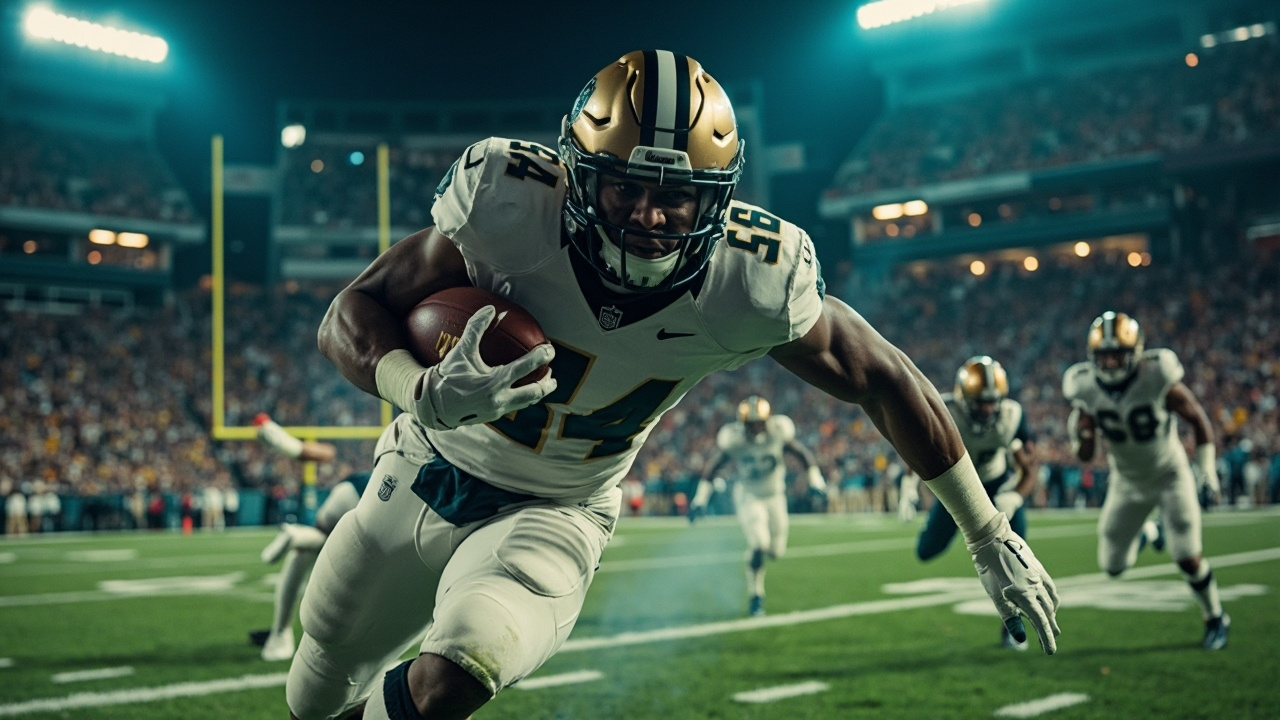
When debating the greatest college football teams of the 2000s, two juggernauts consistently dominate the conversation: the 2001 Miami Hurricanes and the 2019 LSU Tigers. These college football dynasties not only claimed national championships but did so with such dominance that they’ve become the measuring stick for elite performance in the sport. Both teams showcased extraordinary talent, but determining which stands supreme requires diving deep into team performance metrics, strength of schedule, and historical context.
College football rankings from the 2000s era feature several outstanding teams, but these two squads have separated themselves from the pack. Let’s examine what made these teams special and how they compare when analyzing the best college football teams ever.
Comparative analysis: 2001 Miami Hurricanes vs. 2019 LSU Tigers
Statistical dominance & performance metrics
The 2001 Miami Hurricanes overwhelmed opponents with suffocating defense, allowing just 9.75 points per game while scoring 42.6. Their turnover margin of +28 remains one of the most impressive in college football history. Meanwhile, the 2019 LSU Tigers rewrote offensive record books, averaging 48.4 points per game with 568.4 yards of total offense – historically elite numbers even by modern standards.
Defensively, the gap is substantial. Miami yielded just 3.5 yards per play compared to LSU’s 5.7, highlighting the Hurricanes’ defensive supremacy in an era with more restrictive defensive rules.
Roster talent & future success
The 2001 Hurricanes produced an astounding 38 NFL draft picks, including 17 first-rounders – numbers that dwarf the 2019 Tigers’ 14 total picks with 5 first-rounders. However, LSU’s elite stars like Joe Burrow, Ja’Marr Chase, and Justin Jefferson have quickly established themselves as NFL superstars, Comparing the greatest in sports: Why Ronaldo is considered the GOAT over Messi, much like comparing these elite college teams.
Coaching staff & strategic impact
Larry Coker maintained Miami’s dynasty momentum, while Ed Orgeron, alongside innovative assistants Joe Brady and Steve Ensminger, revolutionized LSU’s offensive approach. Examining coaching transitions: Bill Belichick’s potential blueprint for NFL to UNC demonstrates how strategic coaching changes can transform programs, similar to how Brady’s offensive system modernized LSU.
Strength of schedule
This category heavily favors LSU, who defeated seven top-10 teams in 2019 compared to just one for Miami. The Tigers navigated the brutal SEC gauntlet plus defeated both Clemson and Oklahoma in the College Football Playoff – a significantly more challenging path than Miami’s Big East schedule.
Other dominant college football seasons of the 2000s
While Miami and LSU represent the pinnacle, other teams deserve consideration in college football historical comparisons. The 2004 USC Trojans (led by Matt Leinart and Reggie Bush), 2005 Texas Longhorns (with Vince Young’s legendary performance), and 2008 Florida Gators (under Urban Meyer with Tim Tebow) all have compelling cases as BCS National Champions from the 2000s era.
The recruiting landscape has evolved significantly since Miami’s dominance, with Understanding the college recruiting landscape: A guide to D1 Elite providing context for how today’s programs build championship-caliber rosters.
Final verdict: Which team reigns supreme?
The debate ultimately hinges on your ranking criteria for college football excellence. Miami’s defensive dominance and unprecedented NFL talent pipeline make a compelling case, while LSU’s historic offense against demonstrably tougher competition in a more advanced era presents equally strong arguments.
What’s undeniable is that both the 2001 Miami Hurricanes and 2019 LSU Tigers represent the pinnacle of college football achievement, setting standards that future championship teams will be measured against for decades to come.


